
Think of your favorite animal. Maybe it’s a bird, maybe it’s a mammal or a type of fish. Maybe you’re more of a plant person, or a fungi fanatic. Now think of what you like about this organism. Is it cute? Is it interesting? Do you appreciate its role in the environment? Does it do something that no other living thing can accomplish?
Now think again. Do you know it’s endangered status? Is its population trend up or down? What are the largest threats to its survival?
Of the about 169,420 species assessed by the The International Union for Conservation of Nature, around 47,000 are currently at risk of extinction. That is 28% of all assessed species.
The Endangered Species Act was implemented in December of 1973. The act not only prevents direct harm to species on the endangered species list, but also disallows harm to the environments in which they live.
The current administration aims to edit the wording of the Endangered Species Act. Destroying the habitats of endangered species would no longer count as harming them. This would allow for companies to increase fossil fuel production and therefore, profit.
The IUCN currently lists 15,015 as being threatened by Energy Production and Mining, 466 of which are species occurring in North America. The damage done to habitats is undeniably a source of harm to these species. It can disrupt breeding habits, destroy meaningful shelter and food sources for animals, and cause severe declines in air and soil quality.
The potential decision to revise the Endangered Species Act in this way could be catastrophic. Take the Red Wolf, for example. Around 20-30 mature individuals of this species are alive today, and despite repopulation efforts their numbers remain declining. Habitat destruction is the second biggest cause of the Red Wolf’s population decline, behind direct killings of the animals.
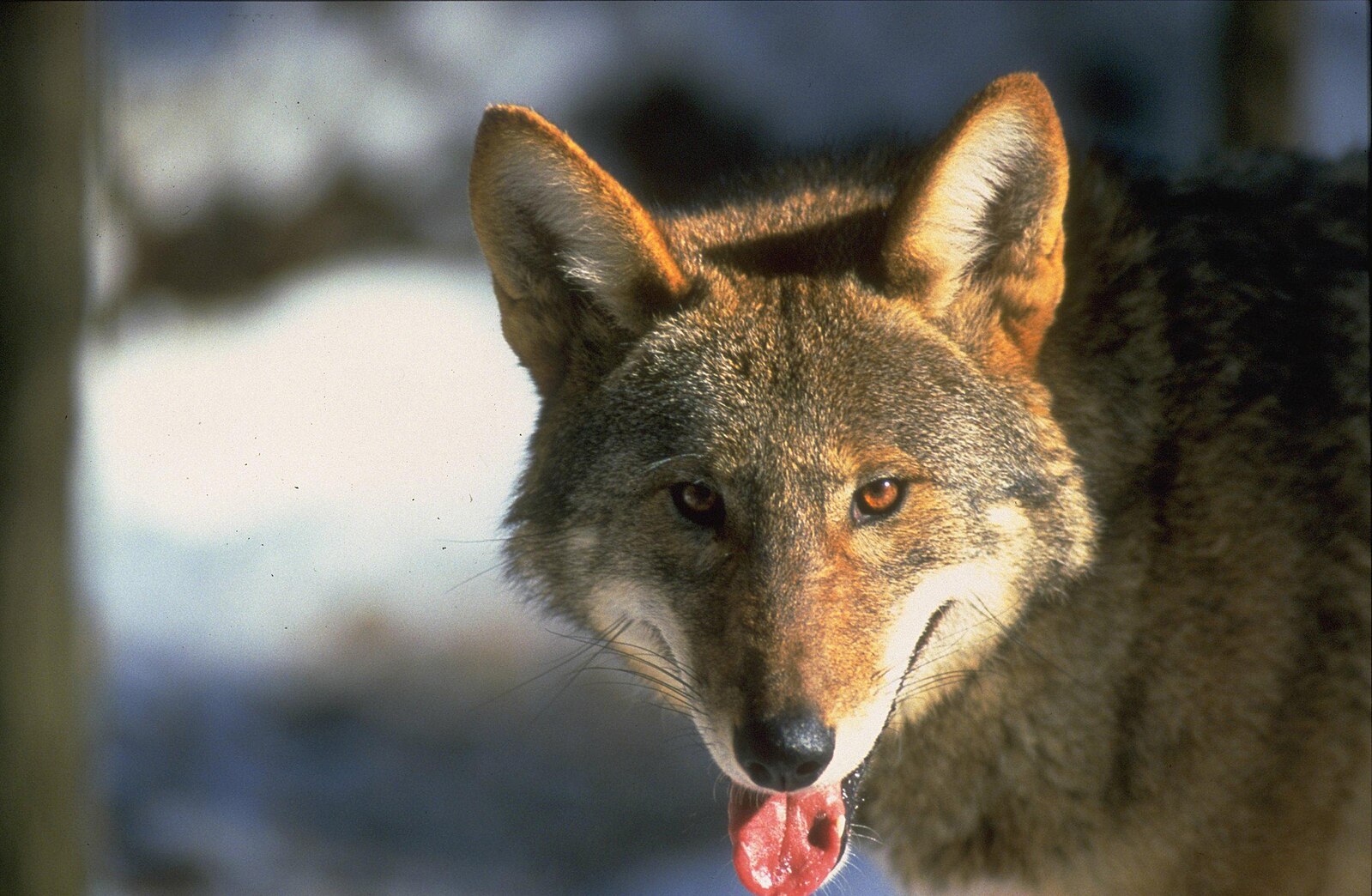
Red Wolf Recovery Program, CC BY 2.0 <https://creativecommons.org/licenses/by/2.0>, via Wikimedia Commons
The decline of the Red Wolf has been observed to have negative effects on the species native environment, including the decline of other native species. If the Endangered Species act is edited as it has been proposed, it is likely that the Red Wolf will go extinct very soon.
Garner, S. Keith. “Federal Proposal to Rescind ESA’s ‘harm’ Definition Raises the Stakes for California’s AB 1319.” Legal News & Business Law News, National Law Review, 23 Apr. 2025, natlawreview.com/article/federal-proposal-rescind-esas-harm-definition-raises-stakes-californias-ab-1319.
“The IUCN Red List of Threatened Species.” IUCN Red List of Threatened Species, www.iucnredlist.org/. Accessed 24 Apr. 2025.
Lambert, Jonathan. “Destroying Endangered Species’ Habitat Wouldn’t Count as ‘harm’ under Proposed Trump Rule.” NPR, NPR, 17 Apr. 2025, www.npr.org/2025/04/17/nx-s1-5366814/endangered-species-act-change-harm-trump-rule.
“Summary of the Endangered Species Act.” EPA, Environmental Protection Agency, www.epa.gov/laws-regulations/summary-endangered-species-act. Accessed 24 Apr. 2025.
Murray, A., Sutherland, R. and Kays, R. (2024), Ecological effects of a declining red wolf population. Anim. Conserv., 27: 396-407. https://doi.org/10.1111/acv.12919
Red Wolf Recovery Program, CC BY 2.0 <https://creativecommons.org/licenses/by/2.0>, via Wikimedia Commons
image sources
- Red_Wolf_Portrait: Red Wolf Recovery Program, CC BY 2.0 , via Wikimedia Commons